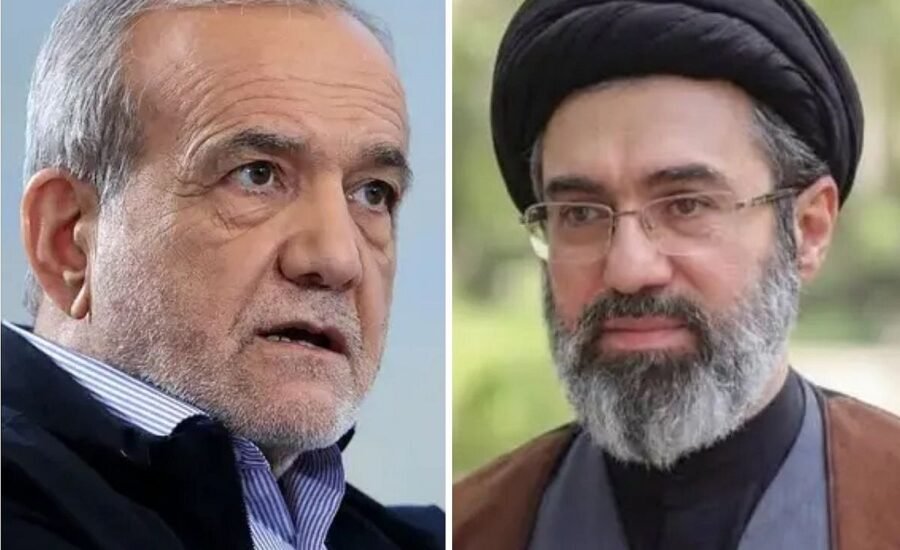
Why Pezeshkian matters
Pezeshkian is generally associated with the more pragmatic wing of Iran’s political establishment.
That does not make him pro-American or a liberal reformer. His faction still supports the Islamic Republic’s core interests, including maintaining Iran’s strategic capabilities.
The difference is over how those interests should be pursued.
Pezeshkian and allies such as Foreign Minister Abbas Araghchi and Parliament Speaker Mohammad Bagher Ghalibaf have favoured using military pressure and Iran’s leverage as bargaining chips for a negotiated settlement with Washington.
What ultra-hardliners want
AP reported that the pragmatic camp sees continued military pressure as a way to obtain a deal, while ultra-hardliners oppose negotiations altogether and want a more uncompromising confrontation with the US.
That division has become particularly important because of Hormuz.
Why the Strait of Hormuz is the battleground
The Strait of Hormuz is Iran’s most powerful economic and military lever.
It is the narrow maritime gateway connecting the Persian Gulf with the Gulf of Oman and Arabian Sea. A huge share of the world’s seaborne oil and LNG passes through it.
Iran does not necessarily need to physically “close” the strait to exercise leverage. It can threaten shipping, restrict particular vessels, conduct inspections, impose security conditions or otherwise make commercial traffic more expensive and risky.
That gives Tehran a potent bargaining chip against the United States and its Gulf allies.
The problem is that the same weapon can hurt Iran.
A prolonged disruption threatens:
That is where the pragmatists and hardliners increasingly appear to differ.