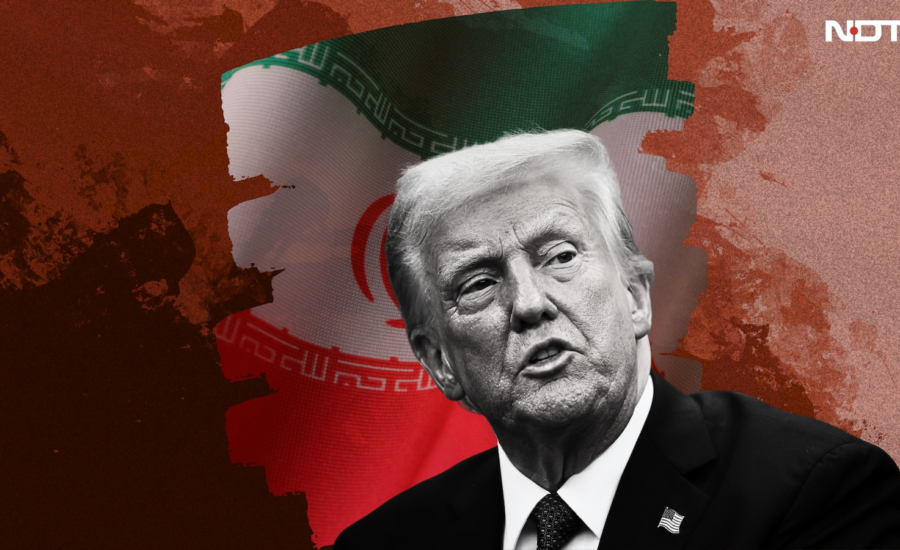
“Deal, or Total Surrender”: these are the two options that US President Donald Trump has put in front of Iran’s leadership.
The ultimatum came in a lengthy rant on his social media platform, Truth Social, in which Trump accused Iran of being “duplicitous,” claiming the country had “begged” for talks before publicly denying that any discussions were taking place.
“Whether Iran wants to admit it or not, we are, in fact, talking of a solution to a problem that they have caused, for decades,” he wrote.
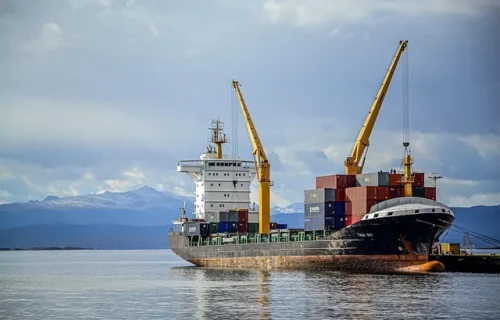
Trump also pushed back on Iranian claims about control of the Strait of Hormuz, a key global shipping route. “They then go on to give their usual blather in saying, the Strait of Hormuz will be operated powerfully by them, when it is already completely controlled by the United States Navy and our ‘Blockade’ or, as some say, ‘The United States Wall of Steel!'” he wrote.
He said that access through the strait would remain entirely up to the US. “Nothing gets through to Iran, unless we want it to, and nothing will get through, unless a Deal, or Total Surrender, is accomplished,” Trump added.
Trump’s fresh comments come a day after he announced he was pulling back from carrying out a major military strike he had previously threatened against Iran.
Speaking on Sunday, Trump said he had shelved plans for what he described as “the biggest attack since World War II,” after being urged to hold off by Gulf allies Qatar, Saudi Arabia and the UAE. He said he chose to give diplomacy more room after speaking with senior Gulf leaders, and after an approach from Iranian officials he did not name.
“Now what we’re doing is we’re talking to them in the form of a negotiation. It begins tomorrow (Monday) afternoon,” he said, without giving further detail on who would take part in the talks.
Iran, however, denied plans for any such talks. Foreign ministry spokesperson Esmail Baghaei said on Monday that Tehran was not currently in negotiations with Washington. He said the only ongoing talks were with Oman, which sits on the opposite side of the strait, and that these were limited to arranging a temporary safe navigation route through the channel.